

How to make a desk with Melamine MDF Board?
Oct 27, 2025
Leave a message
How to make a desk with Melamine MDF Board?
As a Melamine MDF Board supplier, I'm excited to share with you a comprehensive guide on how to make a desk using this versatile material. Melamine MDF Board offers a perfect blend of durability, affordability, and aesthetic appeal, making it an ideal choice for DIY furniture projects.

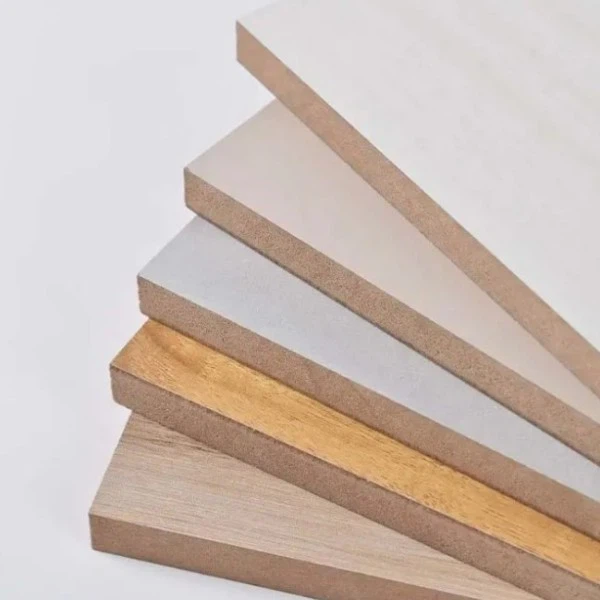
Understanding Melamine MDF Board
Before we dive into the desk - making process, let's take a moment to understand what Melamine MDF Board is. Medium - Density Fiberboard (MDF) is an engineered wood product made by breaking down hardwood or softwood residuals into wood fibers, combining them with wax and a resin binder, and then applying high temperature and pressure. Melamine is a hard plastic resin that is applied as a thin layer on the surface of the MDF, providing a smooth, scratch - resistant, and easy - to - clean finish.
There are different types of MDF boards that you might consider for your desk project. For instance, Thin Core MDF Board can be a great option if you're looking for a lighter - weight solution. Paint Ready MDF Board allows you to customize the color of your desk according to your preference. And Smooth Surface MDF Board gives a sleek and professional look.
Tools and Materials Needed
- Tools:
- Circular saw or jigsaw for cutting the Melamine MDF Board.
- Measuring tape to ensure accurate dimensions.
- Pencil for marking the cutting lines.
- Drill with various drill bits for making holes.
- Screwdriver or a power screwdriver for assembling the parts.
- Clamps to hold the pieces together during assembly.
- Sandpaper to smooth the edges.
- Materials:
- Melamine MDF Board in appropriate thickness and size. A common thickness for a desk top is around 18 - 25mm, while the side panels and supports can be 12 - 18mm.
- Screws and bolts for assembly.
- Wood glue for added strength in joints.
- Optional: edge banding to cover the exposed edges of the MDF for a more finished look.
Step - by - Step Guide
- Design and Planning
- First, decide on the size and style of your desk. Consider the available space in your room, your intended use of the desk (e.g., for a computer, writing, or as a workbench), and your personal aesthetic preferences. Sketch out a detailed plan, including the dimensions of the desk top, side panels, and any additional features like drawers or shelves.
- Based on your design, calculate the amount of Melamine MDF Board you'll need. Make sure to account for any waste during the cutting process.
- Cutting the Boards
- Measure and mark the cutting lines on the Melamine MDF Board using a measuring tape and a pencil. Double - check your measurements to ensure accuracy.
- Use a circular saw or a jigsaw to cut the boards according to your markings. When using a circular saw, make sure to set the blade depth to slightly deeper than the thickness of the board. If you're using a jigsaw, choose a fine - tooth blade for a cleaner cut.
- After cutting, use sandpaper to smooth the edges of the boards. This will not only make the desk look better but also prevent splintering.
- Assembly
- Start by assembling the frame of the desk. If your design includes side panels, attach them to the desk top using screws and wood glue. Use clamps to hold the pieces together tightly while the glue dries.
- For added stability, you can reinforce the joints with corner brackets or metal braces. Drill holes in the appropriate places and attach the brackets using screws.
- If you're adding drawers or shelves, install the drawer slides or shelf supports at this stage. Make sure they are level and properly aligned.
- Finishing Touches
- If you're using edge banding, apply it to the exposed edges of the Melamine MDF Board. You can use a heat - activated edge banding and a heat gun to ensure a secure bond.
- Check the overall stability of the desk. Tighten any loose screws and make sure all the joints are secure.
- Clean the desk surface with a mild cleaner to remove any dust or debris from the cutting and assembly process.
Tips and Tricks
- When cutting the Melamine MDF Board, it's a good idea to place a piece of masking tape along the cutting line. This can help prevent chipping of the melamine surface.
- If you're not confident in your cutting skills, you can ask your Melamine MDF Board supplier to cut the boards to your desired dimensions.
- When assembling the desk, make sure to follow the instructions for the screws and bolts carefully. Over - tightening can cause the MDF to split, while under - tightening can result in a wobbly desk.
Why Choose Our Melamine MDF Board?
Our Melamine MDF Board is sourced from high - quality raw materials and manufactured using advanced production techniques. It offers excellent flatness, uniform density, and a smooth melamine finish that is resistant to scratches, stains, and moisture. Whether you're a professional furniture maker or a DIY enthusiast, our boards are easy to work with and will ensure a high - quality end product.
If you're interested in starting your own desk - making project or have any questions about our Melamine MDF Board, we'd love to hear from you. Contact us to discuss your requirements, get a quote, or to learn more about our product range. We're committed to providing you with the best materials and support for your furniture - making needs.
References
- Woodworking for Beginners: A Comprehensive Guide. By John Doe. Published by Woodworking Press.
- The Art of DIY Furniture. By Jane Smith. Published by Home Crafts Publishing.